
Feature
Bite by Byte
- heather anne lee
- Fred Lopez
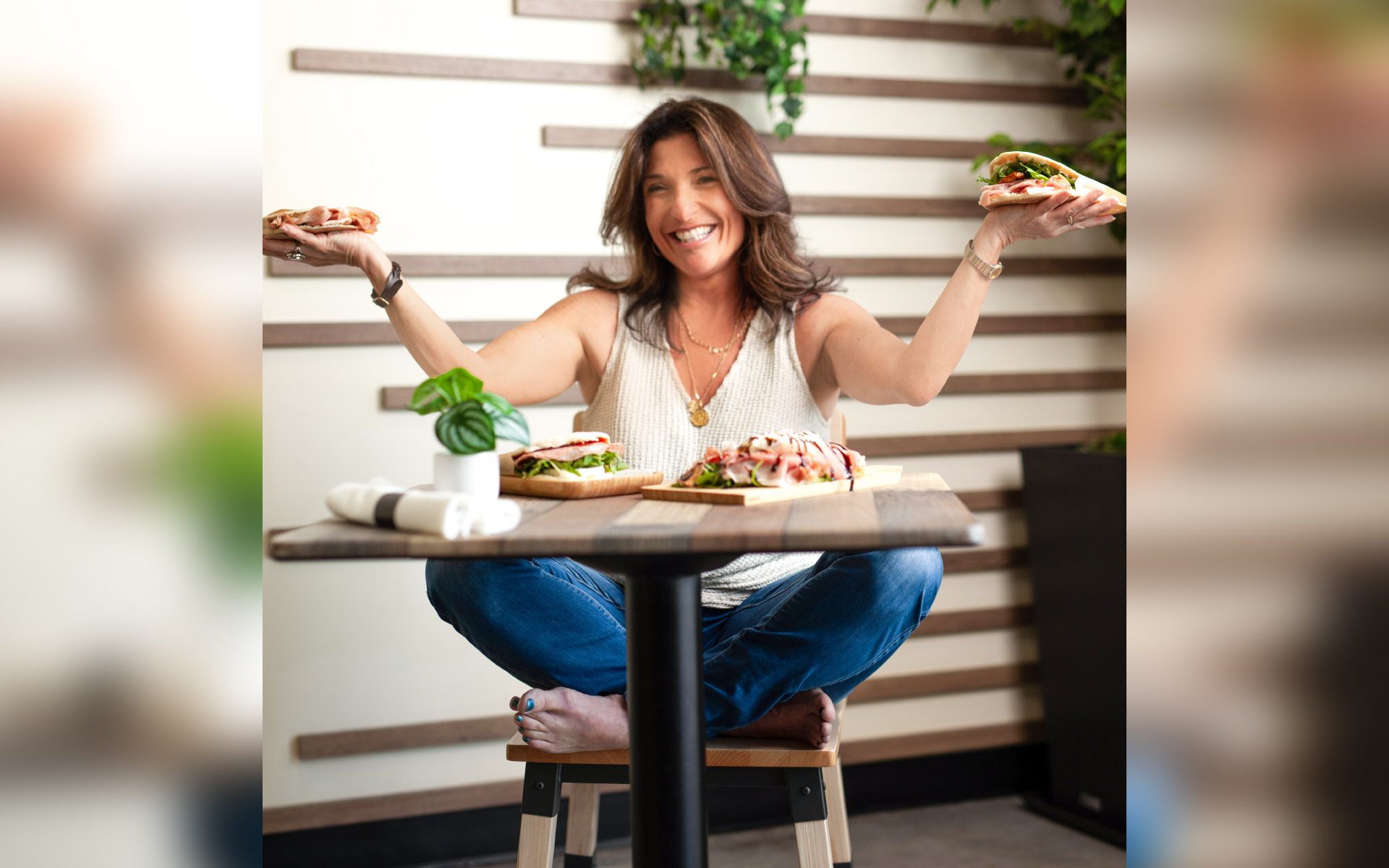
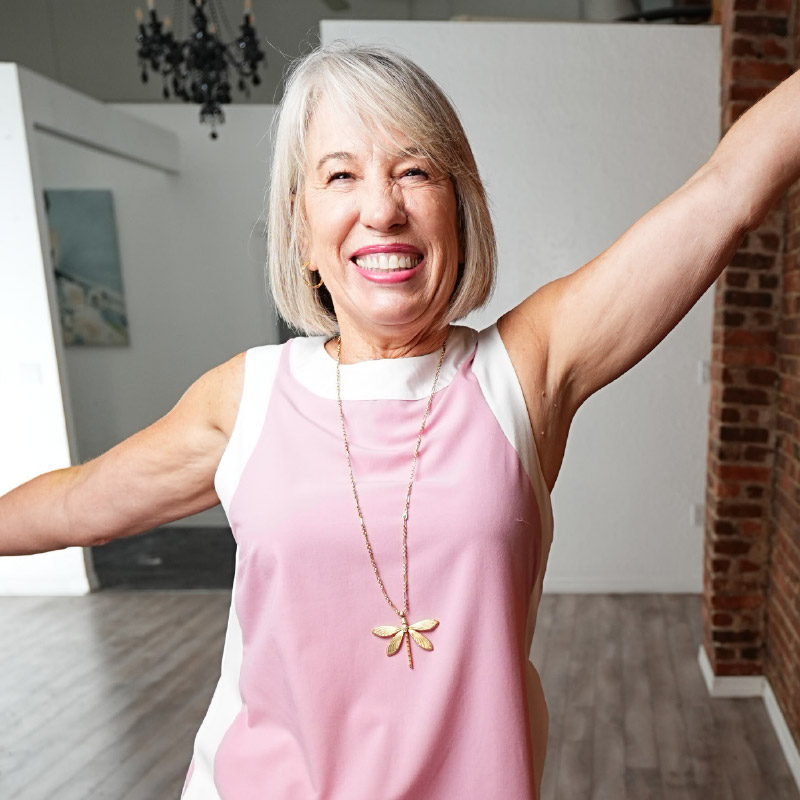
She is exactly what you expect her to be and somehow not at all. A crochet sweater soft enough to look inherited. Layered necklaces that catch the light when she leans forward. Rings stacked like tiny declarations. Square, oversized, purple sunglasses. Flip flops abandoned under the table, bare feet tucked beneath her as she types furiously into her phone, thumbs moving with the urgency of someone who knows the clock is always ticking.
This is Amy Drew Thompson—food lover, storyteller, deadline chaser—holding court in a moment that feels more like a porch hang than a newsroom sprint. The vibe is unmistakably boho zen, which is almost comical when you realize her day will include racing across Orlando for this interview, stopping for a martini (research for a story publishing in two days), three phone interviews, two deadlines, and then meeting up with Anthony “Biggie” Bencomo of Lunch with Biggie to taste-test a parade of rotisserie chickens. Seven, maybe more. Just another Tuesday.
She is, at once, deeply chill and completely in motion.
There’s a trace of New York in her—the kind that sharpens your instincts and keeps your sentences tight—but it’s been softened, rounded at the edges by more than two decades in Central Florida sun. Brooklyn-born, Long Island-raised, she arrived in Orlando over two decades ago with a one-year-old daughter and a career already in motion. This June marks twenty-one years in the city, a number she says almost with surprise, like she blinked and built a life.
“I’m one of those rare birds,” she says, laughing, “who actually did something with a journalism degree.”
Her path wasn’t linear, but it was always written. Book publishing first, then magazines—adult, travel, business, whatever paid and piqued her curiosity. She freelanced widely, the kind of writer who could drop into any subject and make it breathe. Conveyor belts, pest control, supply chains—topics that might sound dry until she got her hands on them.
“When you talk to someone who’s interested in what they do,” Amy Drew says, “it becomes interesting.”
That instinct—to find the human thread inside anything—is what would eventually shape her as a food writer. It wasn’t a pivot so much as a narrowing of focus. Even as her career shifted and stretched, she kept writing, building a body of work that was as varied as it was steady. One assignment led to another. One introduction opened the door to the next. Over time, that momentum began to pull her deeper into Orlando’s food scene. Assignments turned into invitations. Invitations turned into friendships.
She began writing for Edible Orlando, and somewhere in that orbit, the Orlando Sentinel came calling.
She was ready. “I didn’t want to be an outdoor cat anymore,” she says.
Seven years later, she’s still at the Orlando Sentinel, still chasing stories, still juggling multiple deadlines a week, still occasionally freelancing because, as she puts it plainly, “how else do we survive?”
But food was never the pivot. Food was always there. Her father owned restaurants when she was growing up—long days, longer nights, the kind of schedule that dissolves weekends and holidays into a blur of service. She remembers the rhythm of it, the weight of it. Eleven years without consecutive days off at one point. A childhood shaped by dining rooms and dish pits, by the quiet understanding that when the doors close, the work doesn’t stop.
“I see the story,” she says of restaurant owners now. “I see the grind.” It shows up in her writing, in the way she treats the people behind the plate as part of the narrative, not just the backdrop. There’s empathy there and a kind of reverence, not for perfection, but for effort.
And then there’s the appetite. “I’ve always been someone who lives to eat,” she says.

Not just the obvious hits, either. She is relentlessly curious, almost stubbornly so. If she doesn’t like something the first time, she doesn’t write it off. She tries again. And again. Until something finally clicks. “That’s how you learn what to look for,” she says.
It’s a philosophy that feels increasingly rare in a world of snap judgments and quick takes. Amy Drew doesn’t do “just no.” She doesn’t dismiss based on appearance or assumption. She tastes. She considers. She circles back.
Because sometimes, the difference between something you hate and something you love is just one really good version.
That openness is part of what makes her such a natural fit for Orlando, a city she insists has always been more interesting than it gets credit for.
Long before Michelin arrived, before glossy lists and national attention, there were pockets of brilliance tucked into strip malls and side streets. Vietnamese restaurants humming quietly in the Mills District. Pupusa spots that revealed themselves only if you were paying attention. Venezuelan bakeries, Filipino kitchens, Middle Eastern cafes—all feeding their communities, whether the broader city noticed or not. “The food was always here,” she says. “You just had to look.”
Now, of course, it’s easier to find. Social media has changed the game. What used to rely on word of mouth or sheer luck is now a scroll away. Trips are planned around saved posts. Reservations fill up overnight. Even she, who tries to keep her phone tucked away, admits the pull.
“I have a love-hate relationship with social media,” she says. “As a resource, it’s a great way to connect with readers and find new things. But at the same time, I don’t want to be the person holding up dinner to snap photos, or be glued to my phone.”
She prefers the experience over the evidence. The bite itself over the perfect shot.
What she’s chasing, always, is that moment of surprise. Not just in the unexpected—though she loves that, too—but in the familiar done exceptionally well. A dish that tastes like someone’s grandmother made it, even if it’s plated with surgical precision. A flavor that unlocks memory, even in a brand-new space.
She talks about meals the way some people talk about music, as if they linger in the air long after they’re finished. As if they follow you out the door. It’s mid-conversation when she glances at the time, mentally recalibrating. There’s more to eat, more to write, more to chase down before the day ends. The fire hose never really turns off.
But for a moment, she’s still here—barefoot, cross-legged, laughing easily, swapping stories about the best bites of the week and the eternal quest for more protein like it’s just another thread in the tapestry. (“How else do food writers stay fit?” she quips.)
In a job that demands speed, judgment, and constant output, Amy Drew has somehow carved out a space that feels slower, more intentional. She listens. She tastes. She tries again. And then she tells you about it in a way that makes you want to do the same.
Even if it’s your seventh rotisserie chicken of the day.
“People ask me where I find the restaurants I cover, and the answer is: everywhere. It could be social media. It could be a reader recommendation. It could be that I spotted some ratty roadside flag and made a last-minute swerve...”

ocoee
Ispirazione
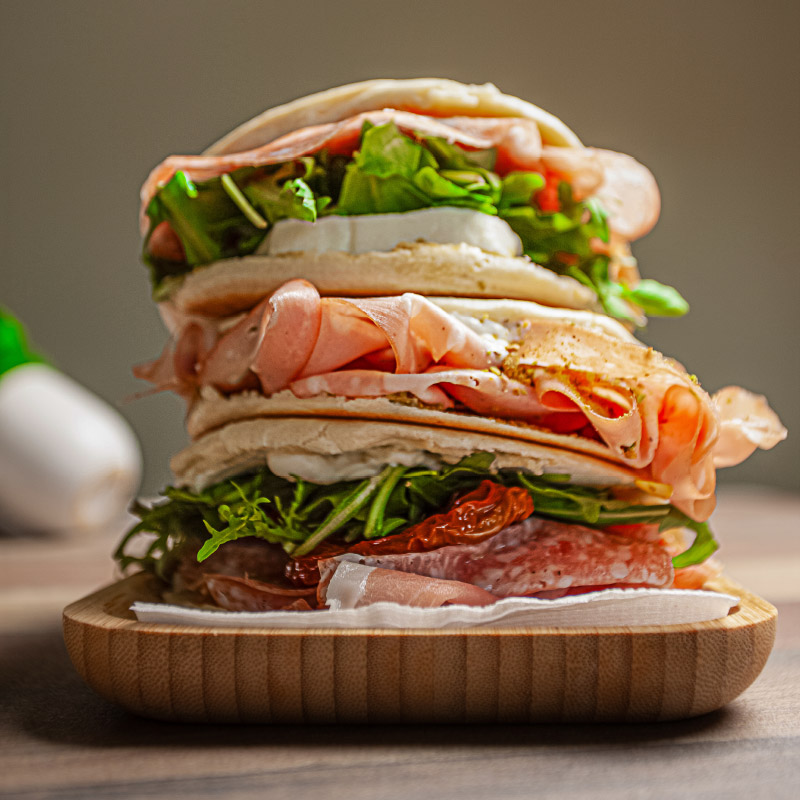
In Central Florida, I feel like tigelle are about as unique an item as you can find that’s also incredibly familiar. It’s a sandwich—universally relatable—but the way it’s done? It’s something that would either remind you of time spent abroad or inspire you to finally take that trip you’ve been bucket-listing for so long. You’ve got these incredible ingredients: mortadella and soppressata, house-made pistachio cream, snappy vegetables (I am all about the bitter, peppery arugula on any of it), and then that incredibly fresh, wonderful bread with its crispiness. They make something indulgent feel almost like a light European lunch.
WINTER GARDEN
Norigami
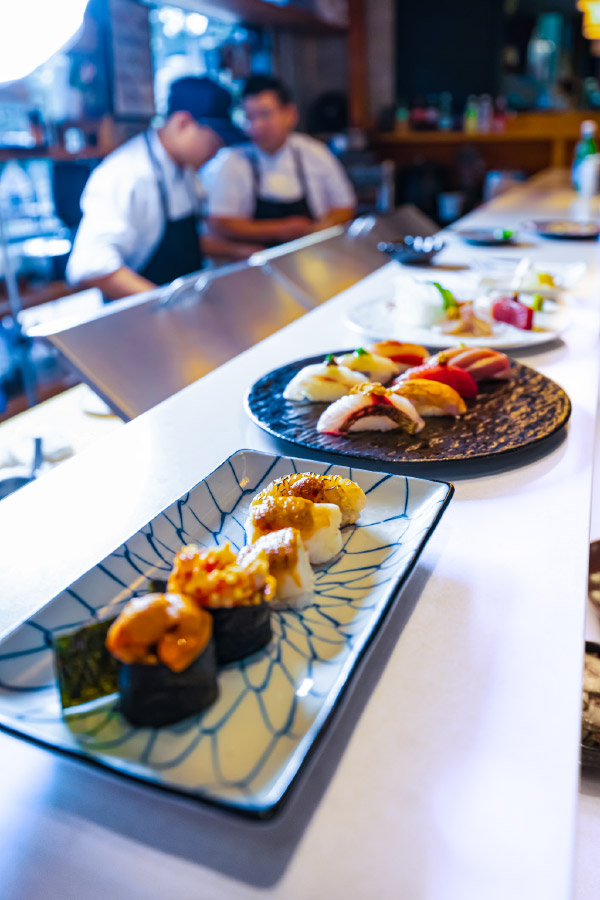
I’ve been a fan of David Tsan, Norigami’s executive chef, for many years, since enjoying his brief but incredible stint doing a weird, wonderful chef’s counter called Soupakase inside the fast-casual Soupa Saiyan restaurant near UCF. It was this absolutely incredible, top-shelf tasting where he’d have things like tequila-cured ankimo (monkfish liver) in white ponzu, topped with a bit of blood orange. Or shima-aji with matcha salt and scallion purée. Meanwhile, students were slurping down noodle bowls, watching anime five feet away. It was $65. It was revolutionary.
Then the guys from Bento moved him to Plant Street Market, and like 12 weeks later they were in the Michelin Guide. He’s incredibly talented and easygoing, and he’s doing really fun things. After a few years at Norigami, he’s built a team of disciples who are holding it down while he expands his repertoire at Kappo Tsan (a brand-new full-service restaurant in O-Town West) and continues to explore his Japanese techniques alongside the deeply personal, homey flavors from his native Taiwan.
PINE HILLS
GG Korean BBQ
People ask me where I find the restaurants I cover, and the answer is: everywhere. It could be social media. It could be a reader recommendation. It could be that I was just driving down OBT and spotted some ratty roadside flag with the word PUPUSAS!!! on it and made a last-minute swerve into a gravelly parking lot to see what was up.
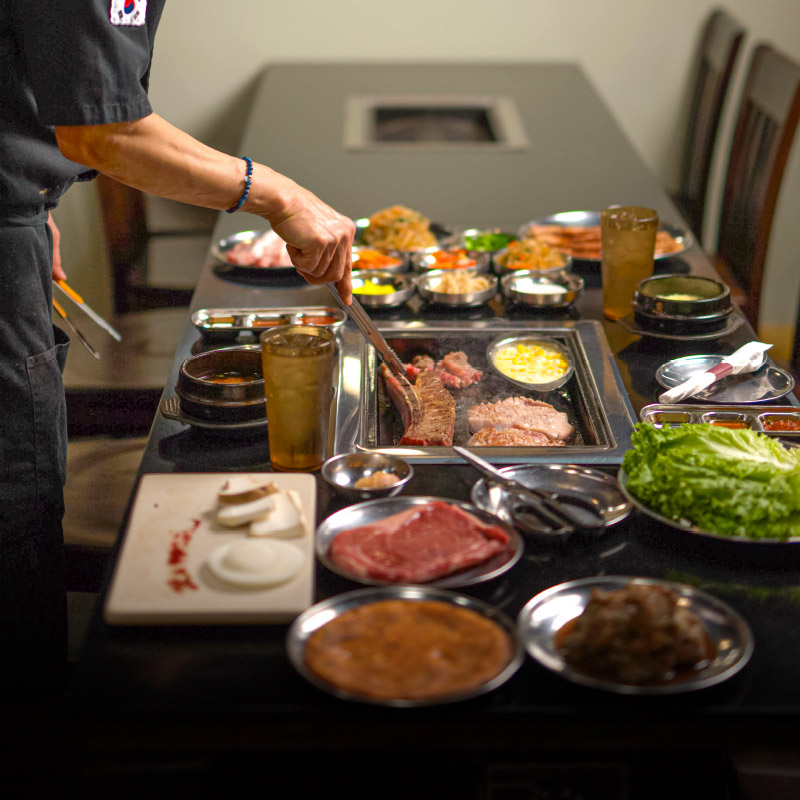
GG, though, was a recommendation from several well-respected chefs and restaurateurs who couldn’t say enough about chef-owner Sam Oh’s grills and skills. He’s a master fabricator, cuts all the meats himself, offers special cuts that few other places have, and the grills—where most KBBQ spots use gas—use charcoal, which imparts incredible flavor into whatever you and your friends are cooking. The sides and banchan are excellent, too. When you’re in the mood for something interactive, this would be my pick.
PINE HILLS
Singh’s Roti Shop
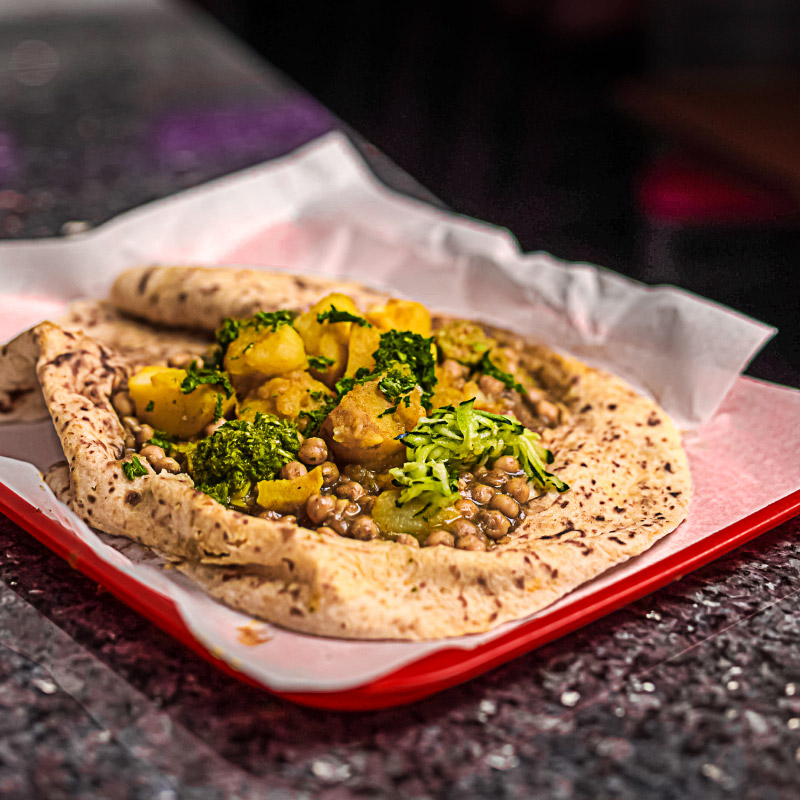
There’s really nothing that hasn’t been said about Singh’s doubles that I can add, but since you need words, mine would be: messy and marvelous. Stewed channa (chickpeas) taste like something your grandmother made. Soft bara is the ultimate comfort food all on its own. Put the two together, and it’s like a giant hug from Trinidad. A hug that requires many napkins.
THORNTON PARK
June
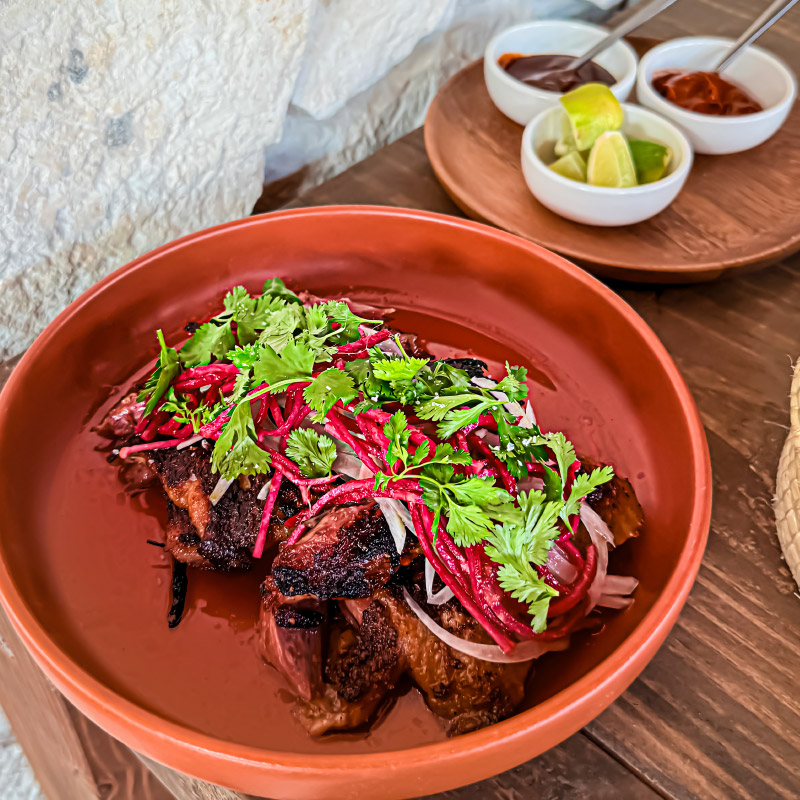
I have spilled so many words about June this year, which, along with Osteria Ester, has completely upended the dining landscape in Thornton Park. More importantly, it’s just phenomenal food that Jason Campbell and Nick Grecco are bringing. It’s at once simple, ingredient-focused, and approachable, but it also employs some really funky techniques to get those results.
That said, elements like live fire and locally made masa from heirloom corn (courtesy of Masamore, a new tortilleria from the folks at Hunger Street Tacos) are what set the hooks here. That large-format duck dish is a revelation. It’s also seed-oil-free and almost entirely gluten-free, which opens it up to a whole universe of people who need more options. And the little Rug Room bar upstairs feels like a warm, hidden secret. A great place to take a date you want to impress.
LAKE BUENA VISTA
Susuru
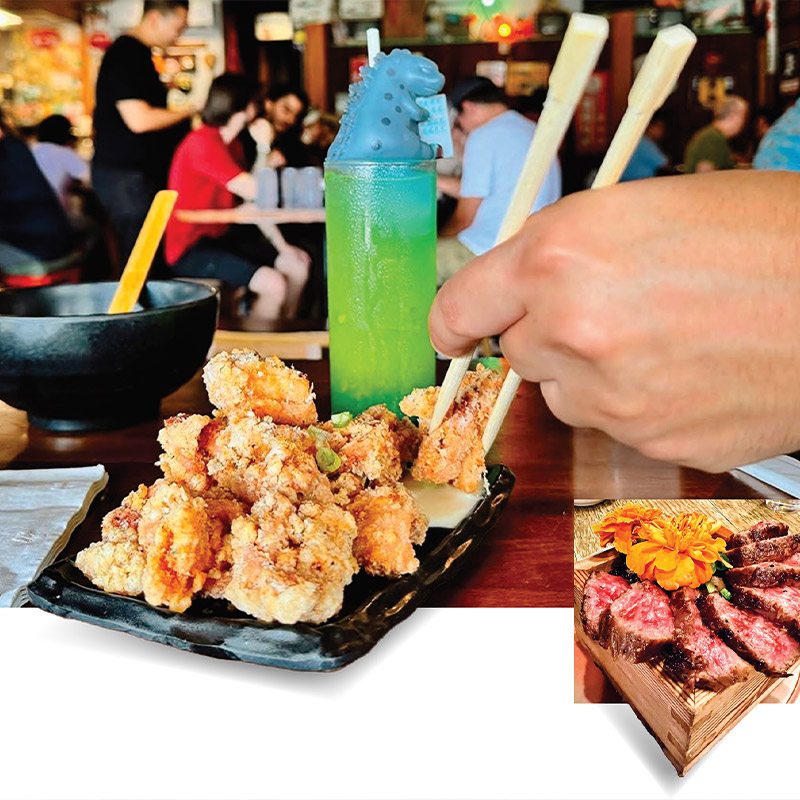
Susuru was my first love in Lewis Lin’s growing empire, but I’d be remiss if I didn’t mention Juju (a second restaurant in the Milk District, built inside an old Pizza Hut) as well. Both are stellar—whimsical, chill, fun. Having been to Japan now, I can say they’ve captured a lot of that izakaya vibe.
The whiskey collection is no joke. And the omakase at Juju, when you’re ready to try something beyond mentaiko fries and chicken oysters, is absolutely top-shelf. Another incredible date-night option. Really special. It might be slightly unfair because I’d give an extra star to any restaurant where I can spot kaiju in any form. I feel like these places are titans that do the opposite of the movies I love—they actually build the city up.
Editor’s Note
As if that weren’t enough, Amy Drew extolled the virtues of several other restaurants she adores locally, including Coro, Sushi Kichi, Sparrow, Lighthouse Seafood, and Quicksand. The list changes daily. Follow her fork on Instagram @amydroo or OrlandoSentinel.com