

Feature
Healthy Starts Here
16 smart, doable ways to live healthier, stronger, and more fully in 2026.
- Heather anne lee
- Fred Lopez

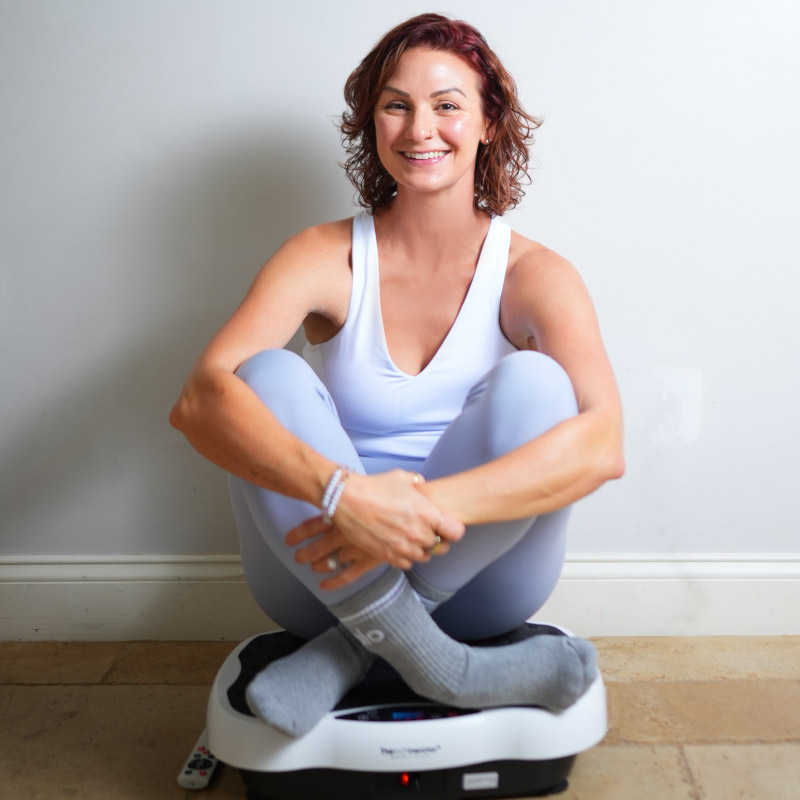
Cold Plunge & Vibration Plate
Megan Westmoreland, 37
Windermere
Megan is the kind of woman who stares life in the face and whispers, “You think you can scare me? Cute.” Diagnosed with stage 4 metastatic breast cancer in 2023, she’s been through waiting rooms that felt like small purgatories, tests that seemed endless, and the soul-crushing moment when she learned the cancer had spread. And yet here she is, a year cancer-free, leaning into health with a grin, a strong cup of coffee, and a pair of tools that might just make you shiver and vibrate your way to wellness.
Enter: the cold plunge. “It’s 90% mental,” Megan says, her voice half serious, half mischievous. “You get in that icy water, you gasp, your brain screams, and then—two minutes later—you feel like a superhero.” She uses it for inflammation, especially after cardio, but the benefits don’t stop there. The cold plunge boosts circulation, calms muscles, and—let’s be honest—proves that our bodies can do ridiculously hard things if we just let them. Megan keeps hers at 40 degrees, jumps in, takes a few deep breaths, and emerges alive, invigorated, and mentally unshakable.
Then there’s the vibration plate, her secret weapon for lymphatic health. After a mastectomy that took 20 lymph nodes—18 of which had cancer—Megan discovered that gentle daily vibrations could keep her blood flowing, her lymphatic system moving, and her body awake and agile. “Ten minutes in the morning,” she says, “and I feel like I’ve woken up every cell in my body. It’s a little thing that does a big thing.”
Megan’s approach isn’t about punishment or guilt. It’s about showing up for her body, celebrating what it can do, and proving that even after the hardest season, life can be full, rich, and, yes, a little chilly.
For 2026, her advice is simple: try the hard things. Sit in that cold plunge. Step onto that vibration plate. Let your body—and your mind—remember what it’s capable of. Because if Megan can do it, laughing through the shivers and vibrations, you probably can too. And isn’t that the best kind of New Year’s resolution?

Bombshell Dance
Cole Hayman, 47
Ocoee
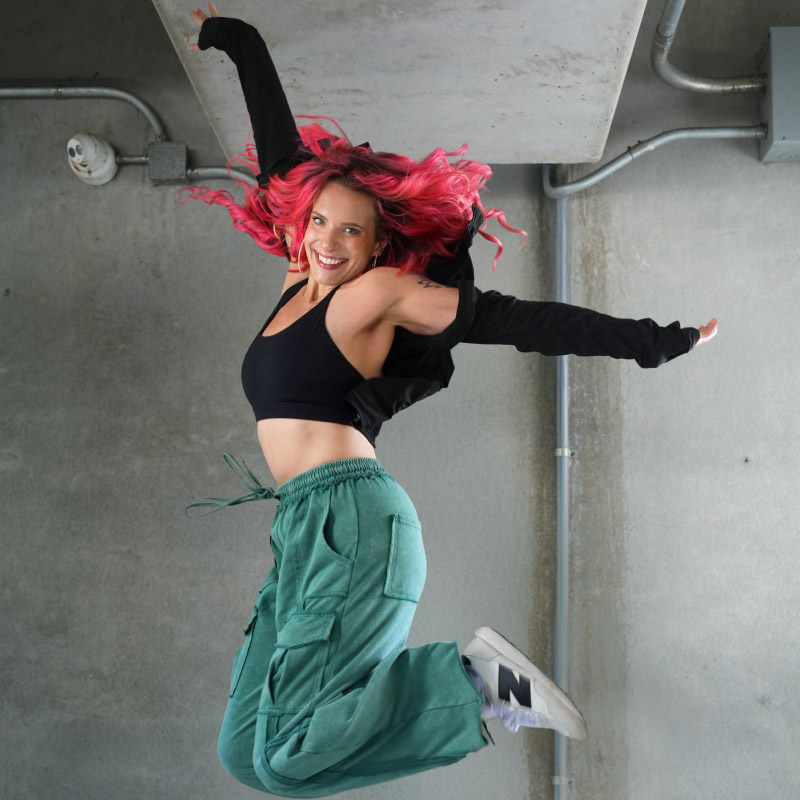
Cole’s pink hair is basically a neon warning: this woman doesn’t do boring. And if you’ve ever wondered whether fitness could be fun, fierce, and just a little bit scandalous, she’s living proof it can be all that—and more. At 47, mom of twins included, homeschooling guru, and soon-to-be memoirist, Cole stumbled into Bombshell Dance like a kid in a candy store—but instead of candy, there was cardio, confidence, and a whole lot of sass.
“I hated running. Hated it,” she admits with a laugh that could power a small wind farm. “Weights were fine, gyms were fine, but the treadmill? No thank you.” What she did love was movement, rhythm, music—the way dance makes your heart race and your brain light up. Around 30, she rediscovered dance fitness in Winter Park, and it was like someone switched the lights on. Suddenly, working out wasn’t a chore—it was a party where she got to be the star.
Fast-forward through pandemic lockdowns, online dance programs, and teaching dance fitness, and Cole found Bombshell. “It’s not just about learning hip-hop,” she says. “It’s about stepping into your power, connecting with other women, and leaving class feeling like a superhero who just conquered life—and maybe the world.” She teaches one weekly class in Winter Garden, but every session is an invitation to shed the mom-baggage-of-the-week, wiggle into your confidence, and own your inner diva—one sultry, high-energy beat at a time.
Bombshell Dance isn’t intimidating. Cole breaks it down, bite-sized, step-by-step. Beginners, advanced dancers, anyone who’s ever wanted to channel Beyoncé while burning calories—you’re welcome here. No judgment, no comparisons, just a room full of women laughing, sweating, and discovering what it feels like to unapologetically shine.
So for 2026? Cole’s advice: try something new, something that makes you laugh, move, and maybe blush a little in the mirror. Bombshell Dance isn’t just a workout—it’s a life upgrade. And honestly, who wouldn’t want to kick off the new year feeling strong, sexy, and fully alive?

Walking
Jason O’Neil, 50
Winter Garden
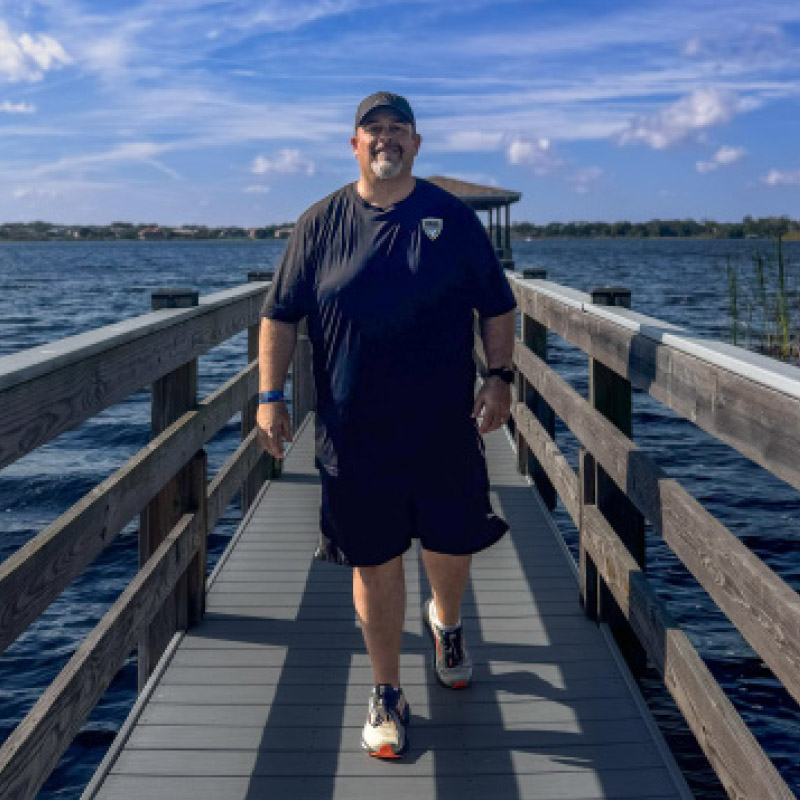
“Walking daily changed everything for me. As of January 1, I’ve walked 10,000 or more steps every day for 800 days in a row. That simple habit brought more energy and kept me motivated to be a better, more active father and husband. Consistency is where real change begins.”

Pilates
Lori Welch, 61
Winter Garden
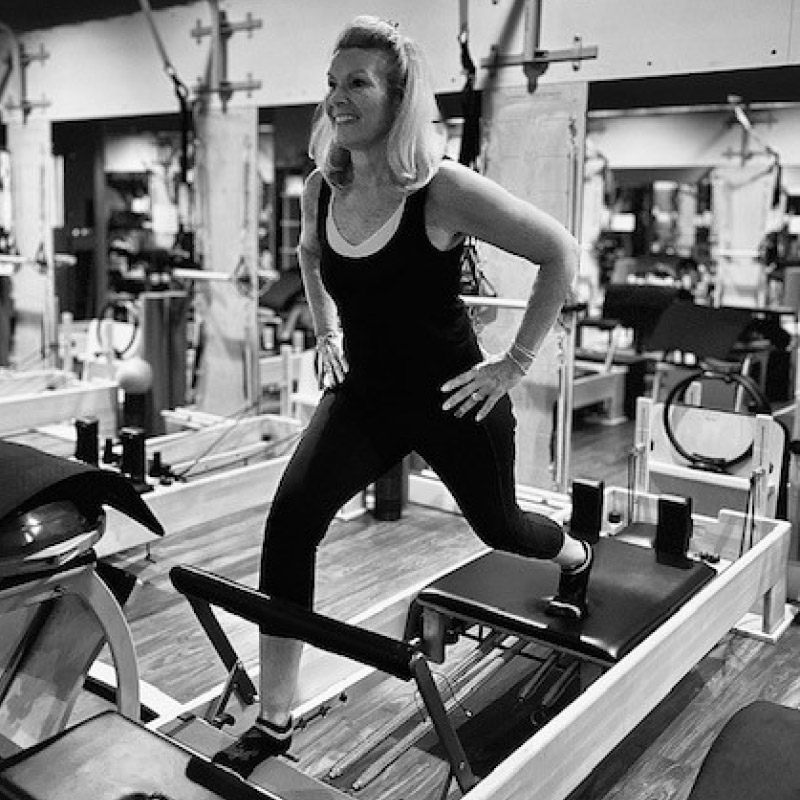
“I love Pilates because it strengthens my body, improves balance and flexibility, and leaves me feeling energized and aligned. Having different instructors keeps every class fresh and inspiring as no two workouts are ever the same, so it never feels routine and always challenges me in new ways every day.”

Connection
Nancy Brown, 86
Winter Garden
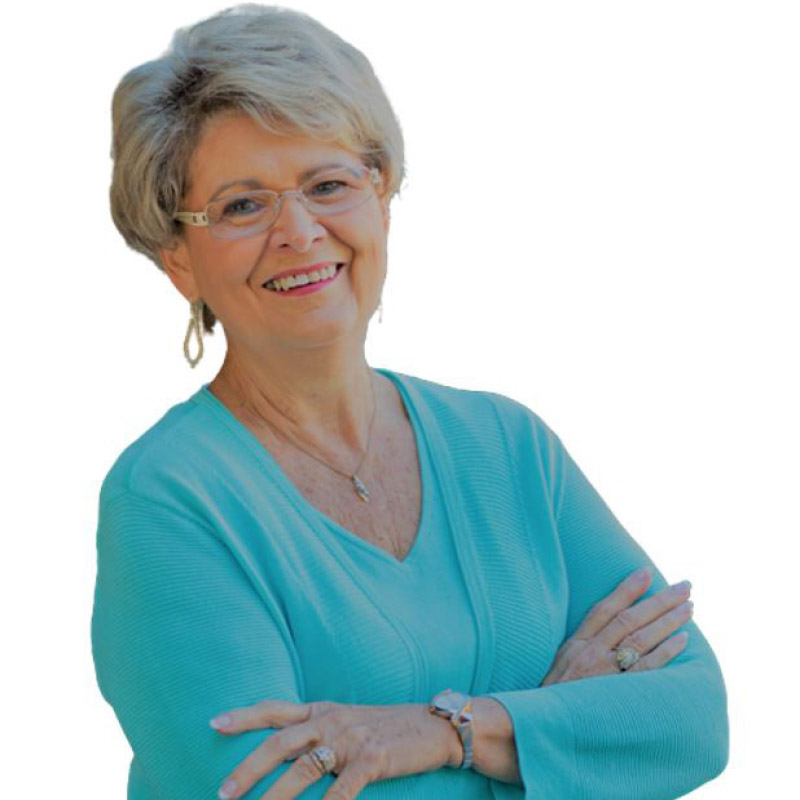
“True health starts with connection. In 2026, prioritize relationships that truly lift and encourage you—and remember that food alone isn’t always enough, especially as we age. Choose supplements from trusted brands with longevity, peer-reviewed science, and a genuine commitment to your body and environment.”

Stretching
Corey Vereen, 30
Apopka
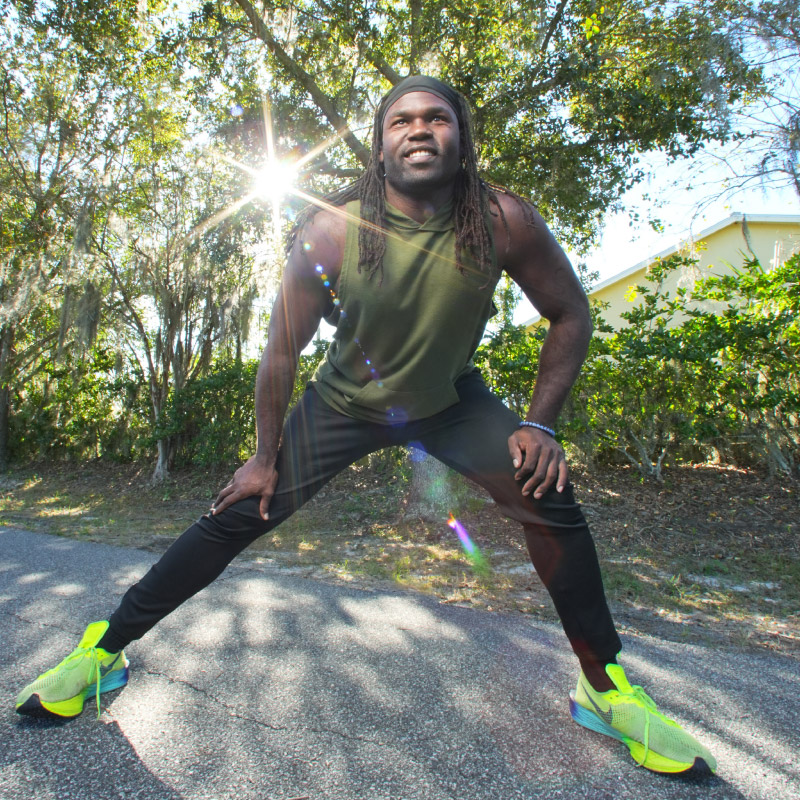
At first glance, Corey looks like someone who should never have to stretch. Former West Orange High School football star. Tennessee Volunteer. New England Patriot. A human highlight reel with quads that probably have their own zip code. And yet, if you ask Corey what’s keeping him healthy in 2026, he won’t say squats or sprints. He’ll say stretching. Slowly. On purpose. Like a man who has learned some things.
Because when you leave football with three knee surgeries, you don’t bounce out of bed anymore. You ease. You negotiate with your joints. You become deeply aware that cold muscles are traitors. “Going into a workout cold increases your chance of injury,” Corey says, with the calm certainty of experience. “Stretching is non-negotiable if you want to stay healthy and recover well. Period.”
To students and clients alike, he preaches stretching as the quiet key to longevity, consistency, and real success—on the field and far beyond it. Dynamic stretching before workouts to wake the muscles up. Static stretching afterward to calm everything back down. Simple. Effective. Non-negotiable.
It won’t hand you a Super Bowl ring—but stretching will make every bend, reach, and step in your day feel smoother, easier, and more fluid. And that’s a pretty solid win.

Infrared Sauna Workouts
David Colby, 58
Clermont
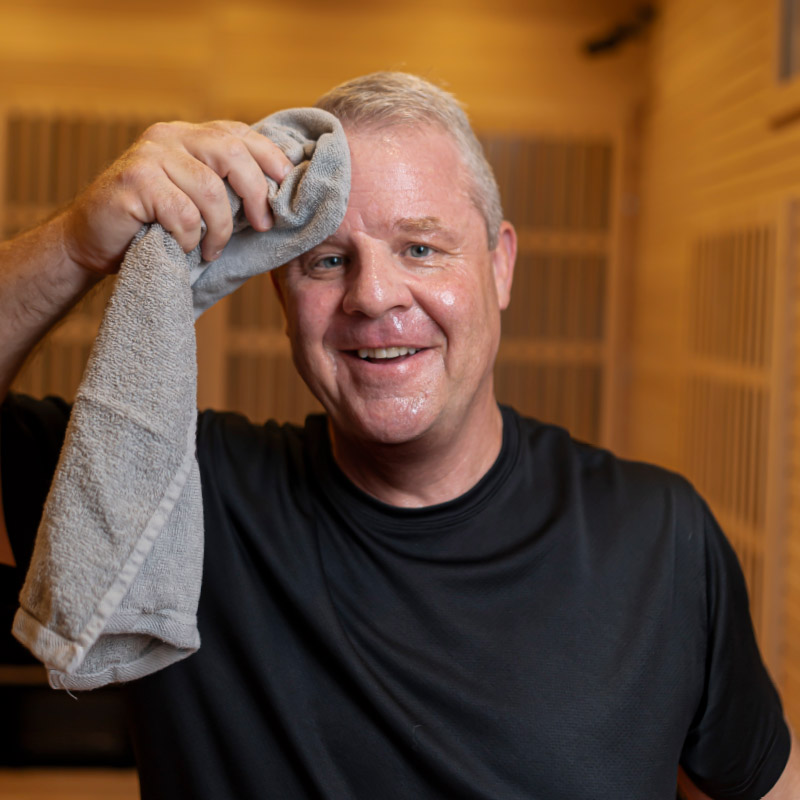
Every morning, seven days a week, David starts his day by turning up the heat—in a way that’s less about intensity and more about intention. After 10 years as president of the South Lake Chamber of Commerce, his schedule demands energy, clarity, and stamina. His solution? A daily routine built around heated infrared sessions that keep his body loose and his mind ready.
David didn’t discover heated workouts chasing a fitness fad. After phases of cycling and traditional gym routines, he wanted something new—something that would keep things fresh and actually feel good. One session was enough to convince him. The infrared heat created a deep, cleansing sweat while allowing his muscles and joints to stretch more easily. Tightness eased. Lingering aches faded. The result was immediate and motivating.
Now it’s non-negotiable. He rotates through several formats—stretch-focused sessions, Pilates-inspired movement, and core work—often adding short cycling or rowing intervals. The consistent warmth helps improve flexibility, reduce joint and muscle pain, and support recovery, making it a practice he can sustain daily. When he’s away for a few days, he notices the difference right away.
What stands out most to David is how approachable the routine feels. It’s not about pushing harder or longer; it’s about showing up. The infrared heat does much of the heavy lifting, helping the body move better while leaving him energized, not drained.
For someone whose days revolve around leading, connecting, and problem-solving, that matters. David’s healthy-living tip is simple: find movement that feels good enough to do every day. When it supports your body and fits your life, consistency stops being a struggle—and starts being the reward.


Morning Routine
Jean Legere, 46
Ocoee
At 4 a.m., while most of Ocoee is still negotiating with the snooze button, Jean is already choosing his day. Not reacting to it. Choosing it. And that distinction—gentle but firm, mindful but disciplined—is the heartbeat of his daily practice, a morning routine that has quietly transformed his life and the lives of the students he coaches.
Jean calls it 30/30/30/30: meditation, stretching, calisthenics, and cooldown. Two hours that don’t feel indulgent or monkish—just intentional. “If you wake up at 4 instead of 6,” he says, “you gain something powerful: time to set your intentions instead of chasing your schedule.” He starts with breathwork, no screens, warm water in hand, mind clear. Meditation flows into gentle stretching, then legit calisthenics—often guided by the Better Me app, which Jean calls “the cheapest gym membership I’ve ever had—and the best value.” Thirty minutes of work, 30 minutes of cooldown. Done before the world starts asking anything of him.
The surprise? How much calmer everything else becomes. “I’m more level-headed throughout the day,” Jean says. Road rage fades. Reactions soften. Purpose takes the wheel. After movement comes journaling—what he’s grateful for, what he wants to give, what kind of energy he’s bringing into the day. Gratitude, he believes, isn’t a personality trait; it’s a practice. Even gratitude for the hard seasons. Especially those.
Jean often listens to guided meditations and gratitude playlists, pulling inspiration from teachers like Dr. Joe Dispenza. The throughline is mindset—heart and head coherence. When those align, he says, “that’s where the magic starts.” You don’t just improve your day. You create a different universe for yourself.
As a former University of Florida water polo standout, SCC Coach of the Year, and now a Student-Athlete Life Coach—still playing, coaching, and consulting for the men’s Master program at Orlando Water Polo—Jean’s passion is helping others, especially young athletes, set themselves up for success in and out of the pool. His morning routine isn’t about perfection; it’s about preparation—showing up grounded, disciplined, and awake to possibility.
In the new year, Jean’s message is simple and quietly radical: how you start your morning is how you teach your mind what matters. And with the right routine, better days stop being an accident.

Rucking
Rucking—walking with a weighted backpack—turns an ordinary walk into purposeful strength training. It builds cardio fitness, bone density, and mental toughness, fits easily into real life, and proves you don’t need fancy equipment to feel stronger, clearer, and more capable in your body.

75 Hard
Looking for a real challenge? 75 Hard might be it. This intense, structured mental-toughness challenge isn’t about quick fitness wins—it’s about discipline. Two 45-minute workouts daily (one outside), clean eating with zero cheat days or alcohol, a gallon of water, 10 pages of motivational reading, and a daily progress photo for 75 consecutive days. It’s hard on purpose—and that’s the point.

Ballet
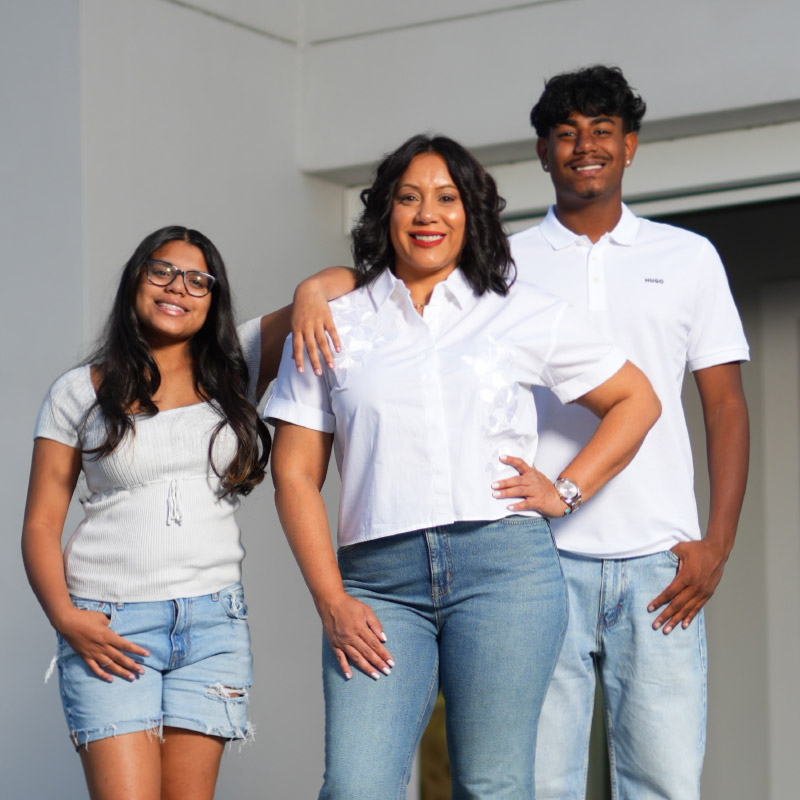
Ana Lucia Portillo, 16
Windermere
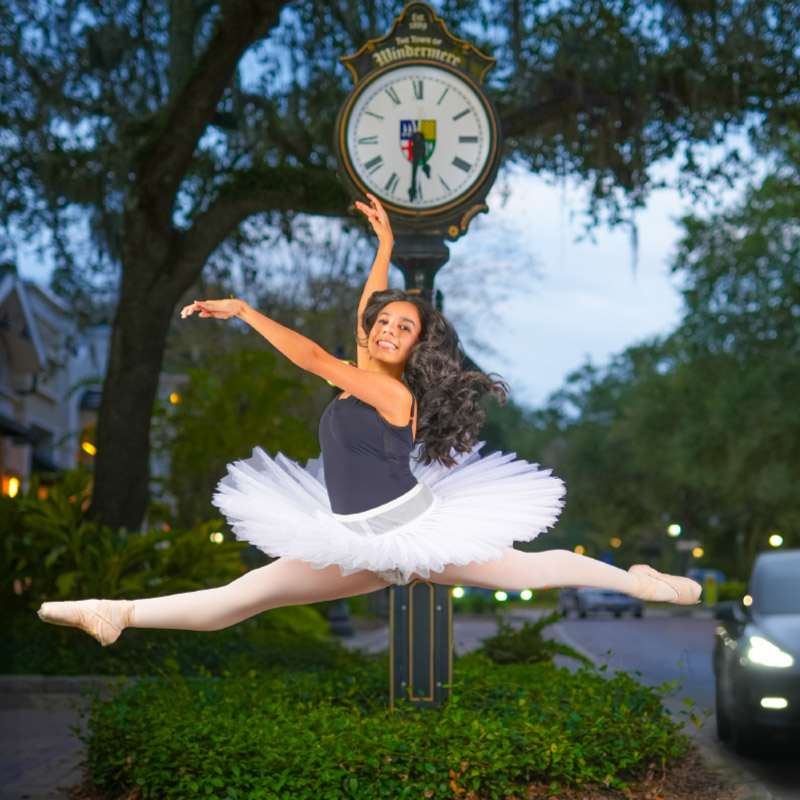
Anna Lucia might be 16, but she’s been dancing through life—and now through pointe shoes—since she was 6 years old in Venezuela. She landed in Windermere three years ago, but ballet didn’t skip a beat. At Central Florida Ballet, she trains two hours a day, four days a week, with Saturday mornings thrown in for good measure, and somehow still manages to love it all: the barre, the center work, the leaps that feel like flying.
“It’s never too late to start,” Ana Lucia says, eyes sparkling. She’s seen men and women of all ages stretching, strengthening, and sweating through classes, discovering muscles they didn’t know existed. Ballet may not look like a typical workout, but between the pliés, jumps, and balances, it challenges your whole body—and your mind. “You don’t have to be perfect—you just have to enjoy it,” she says.
In 2026, her advice is simple: grab some tights, hit the studio, and let ballet make every movement feel graceful, strong, and joyful—no matter your age.

Pickleball
Dr. Anh Truong, 33
Orlando
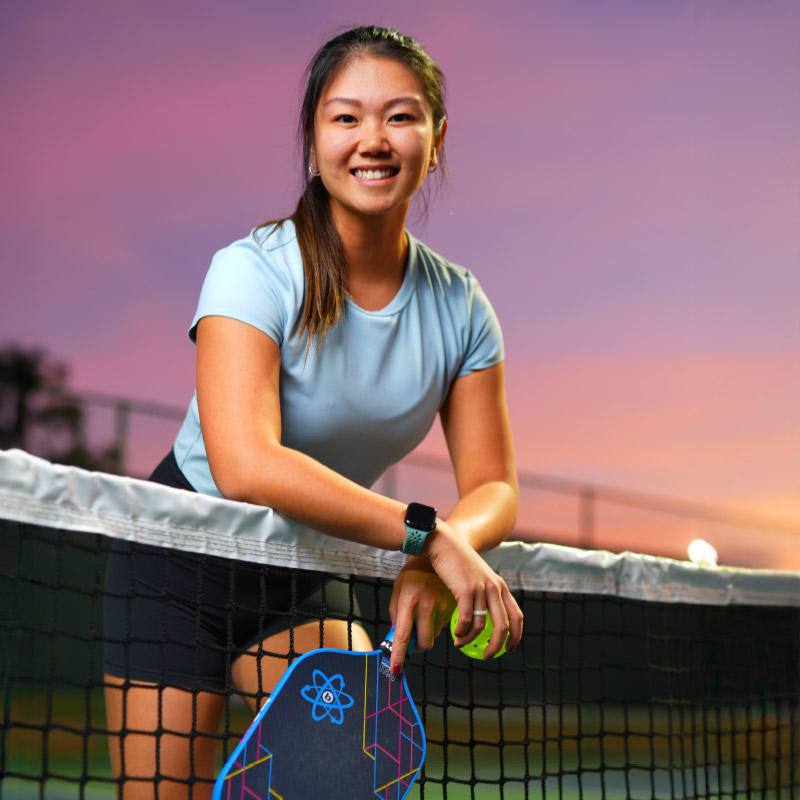
Dr. Anh didn’t plan to fall in love with pickleball—she’s a physical therapist, after all, and weightlifting is her first love—but in 2026, she’s all about balance: muscles, heart, and social life. “I wanted something active that didn’t feel like a chore,” she laughs, remembering her first wobbly serves.
Pickleball turned out to be the perfect mix of cardio, coordination, and a little friendly competition. She’s seen men and women of all ages pick up paddles, swap stories, and laugh through missed shots. It’s approachable, easy to learn, and forgiving, yet challenging enough to make you sweat and grin. Whether you’re chasing points or just sunshine, pickleball keeps your body moving and your spirits high.
Ahn’s advice? Grab a paddle, find a court, and discover how fun staying healthy can really be, at any age.

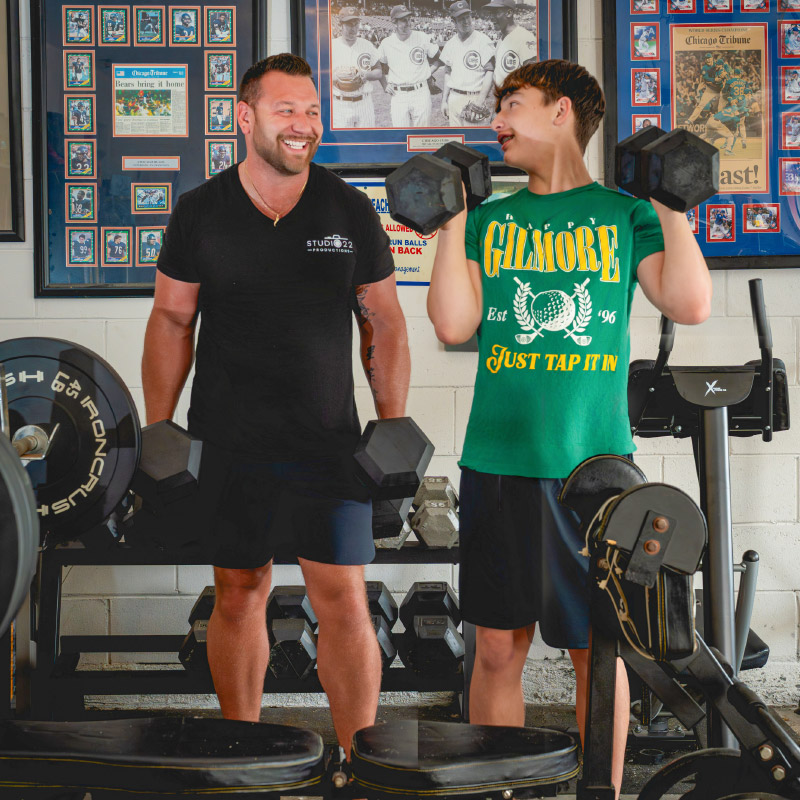
Exercise
Nick Cepeda, 36 & Evan Cepeda,14
Winter Garden
When my son and I work out together, the goal has never been about lifting the heaviest weight in the room. It’s about building habits that last, staying healthy, and enjoying the process together,” Nick says. Together, they’ve developed a few healthy lifting habits they share:
Form always comes first. They believe in doing movements correctly before doing them heavily. Good form protects your body, builds real strength, and sets a foundation you can build on for years. Lifting heavy with poor technique might look impressive in the moment, but it often leads to setbacks instead of progress.
You don’t need to max out every workout. A personal record is a test — not the assignment. The real work happens in the reps you do consistently, week after week. Showing up and doing the “homework” is what actually makes you stronger.
Consistency beats intensity every time. Going hard for a few weeks and then quitting gets you nowhere. Progress comes from steady effort over time. Even lighter, shorter workouts done consistently will outperform sporadic bursts of intensity.
More reps with lighter weight can be more effective. They often explain this like a simple math problem:
20 reps × 10 pounds = 200 total pounds moved
10 reps × 15 pounds = 150 total pounds moved
When you look at it that way, lighter weight with proper form and higher reps can actually do more work — and with less risk of injury.
“At the end of the day, working out together has taught us that fitness isn’t just about strength. It’s about patience, discipline, and building something meaningful over time — together.”

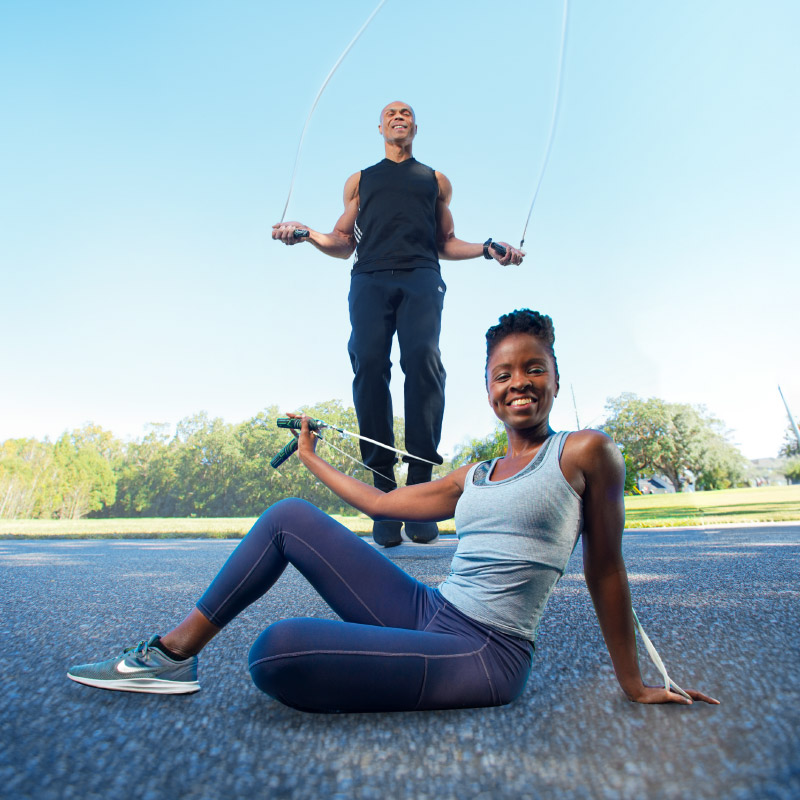
Jump Rope
Demetrus Thompson, 50 & Cendy Thompson, 48
Minneola
Demetrus didn’t plan to fall in love with a piece of rope. He thought he was just trying to stay healthy—after all, living with a blood clot condition means you take your cardio seriously—but somewhere between the weighted handles and a few too many tripped-over feet, jump roping became his obsession. “At first, I was uncoordinated and convinced I was terrible,” he laughs. “Turns out it wasn’t me—it was the cheap ropes!” Once he upgraded, the rhythm clicked, the calories burned, and suddenly 15 minutes felt like a full-body victory.
Jump rope is deceptively simple yet brutally effective. It boosts coordination, strengthens legs, and torches calories faster than a treadmill can blink. Whether you’re a cardio newbie or a fitness junkie, starting with 15 minutes—resting when needed—builds stamina and confidence. And in 2026, it’s the perfect way to mix up your routine, get outside, and feel unstoppable.
And here’s the cherry on top: Sundays are sacred. Every week, Demetrus and his wife, Cendy, make jump rope their little couples ritual. One rope, two hearts, and a lot of laughter. “Working out together keeps us connected,” he says. “It’s like couples therapy with a side of sweat.”
Want to try it? Start small: 15 minutes at a time, resting when needed, and gradually working up to longer sessions. Demetrus swears by Crossrope for its weighted handles and durable construction—it makes all the difference. And if you can, make it fun: jump solo, or share your Sunday ritual with a partner, laughing through missed swings and celebrating every perfect rotation.
Grab your rope, find your rhythm, and jump your way into a healthier, stronger you.

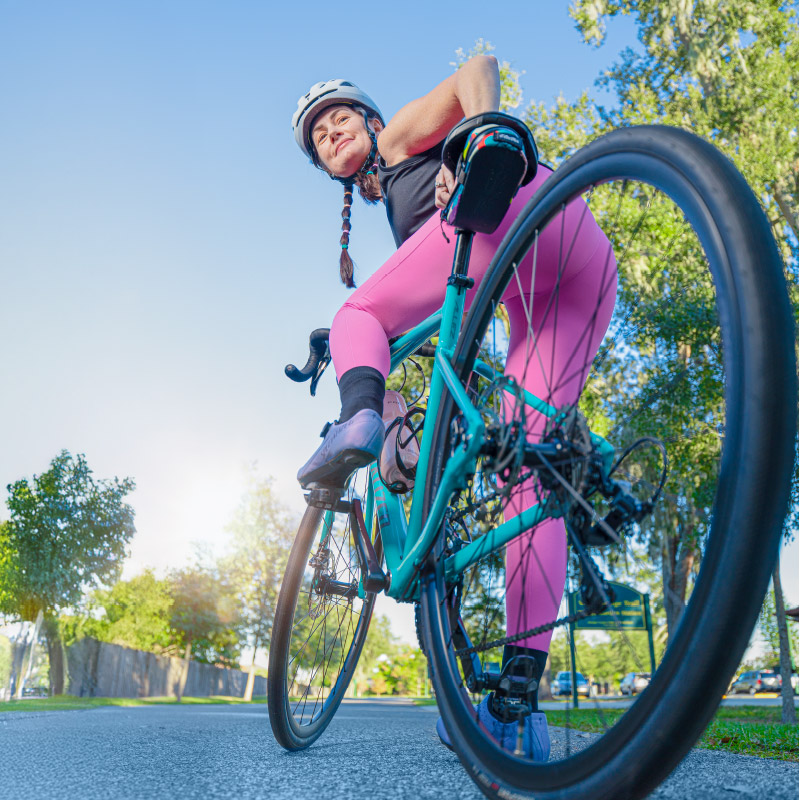
Triathlon
Tracy Lewis, 45
Oakland
Triathalon gets a bad rap. It sounds intimidating, elite, maybe even a little unhinged—three sports, one race, zero chill. But Tracy is living proof that triathlon isn’t about superhuman bodies. It’s about determination and a willingness to try
A few years ago, Tracy’s world shrank to doctors’ offices and mobility aids after a traumatic knee injury left her barely able to walk. Movement became something to fear, not celebrate. “I hadn’t done anything hard in a long time,” she says. “Physically or mentally. I felt stuck.”
Triathlon cracked that open.
She didn’t join Winter Garden Tri Club because she had a lifelong dream of racing. She joined because the people intrigued her. “They talked about the community—how supportive everyone was—and something in me just kept saying, you should try this,” Tracy says. “I didn’t even really know what a triathlon was.”
What she discovered was less about swimming, biking, and running—and more about mindset.
“Triathlon is 90 percent mental,” she says. “Physically, almost anyone can do it if they train. But the mental part? That’s where the work is.”
Especially in the swim. Open water still sends Tracy’s anxiety into overdrive. “Every time, it’s a panic,” she admits. “But then I tell myself, you’ve done this before. You know what to do. And when you get through it, the sense of accomplishment is unreal.”
That inner dialogue—choosing encouragement over fear—has become the heartbeat of her training. She breaks races into small, manageable pieces. One buoy. One mile. One decision not to quit.
But she’s not doing it alone.
The camaraderie of her triathlon community has been transformational. Teammates check in, celebrate small wins, and notice when someone disappears. “You can’t hide,” Tracy laughs. “But in the best way.” Training partners became friends. Friends became accountability. Accountability became confidence—bolstered by family (Mario, Kylie, and Jeryl), who are at every race, cheering her on like it matters because it does.
Now, Tracy has completed five triathlons and is training for her first 70.3—something she once thought belonged exclusively to superheroes and people who enjoy pain recreationally. Her knee still talks back. She listens. She adapts. She keeps going.
Triathlon didn’t just change Tracy’s body. It rewired her mindset. It taught her to break big fears into small buoys. To cheer for her legs. To choose hard things on purpose. “I used to think, I can’t,” she says. “Now I think, I’m scared—but I can still do it.”
And in 2026, that might be the healthiest start of all.