

the local
mix
- Bedroom-made songs, blown-out guitars, and the relentless output of Tyler Gray.
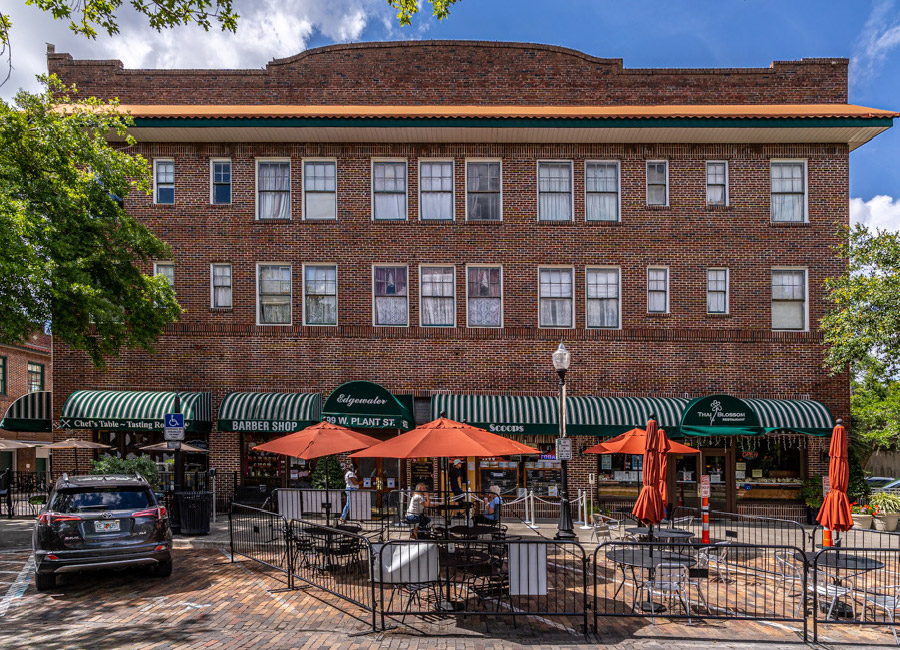
- Nearly a century of ambition, abandonment, and revival leads the Edgewater Hotel into its next era.
- Pro-spectives with Mike Smith.
- Michael Wisdom's savvy guide to running your most important machine: you.
- How Billy Harper turned wreckage into light.
talent
mix
Static Feedback
Bedroom-made songs, blown-out guitars, and the relentless output of Tyler Gray.
- Maxwell Mark
- Fred Lopez
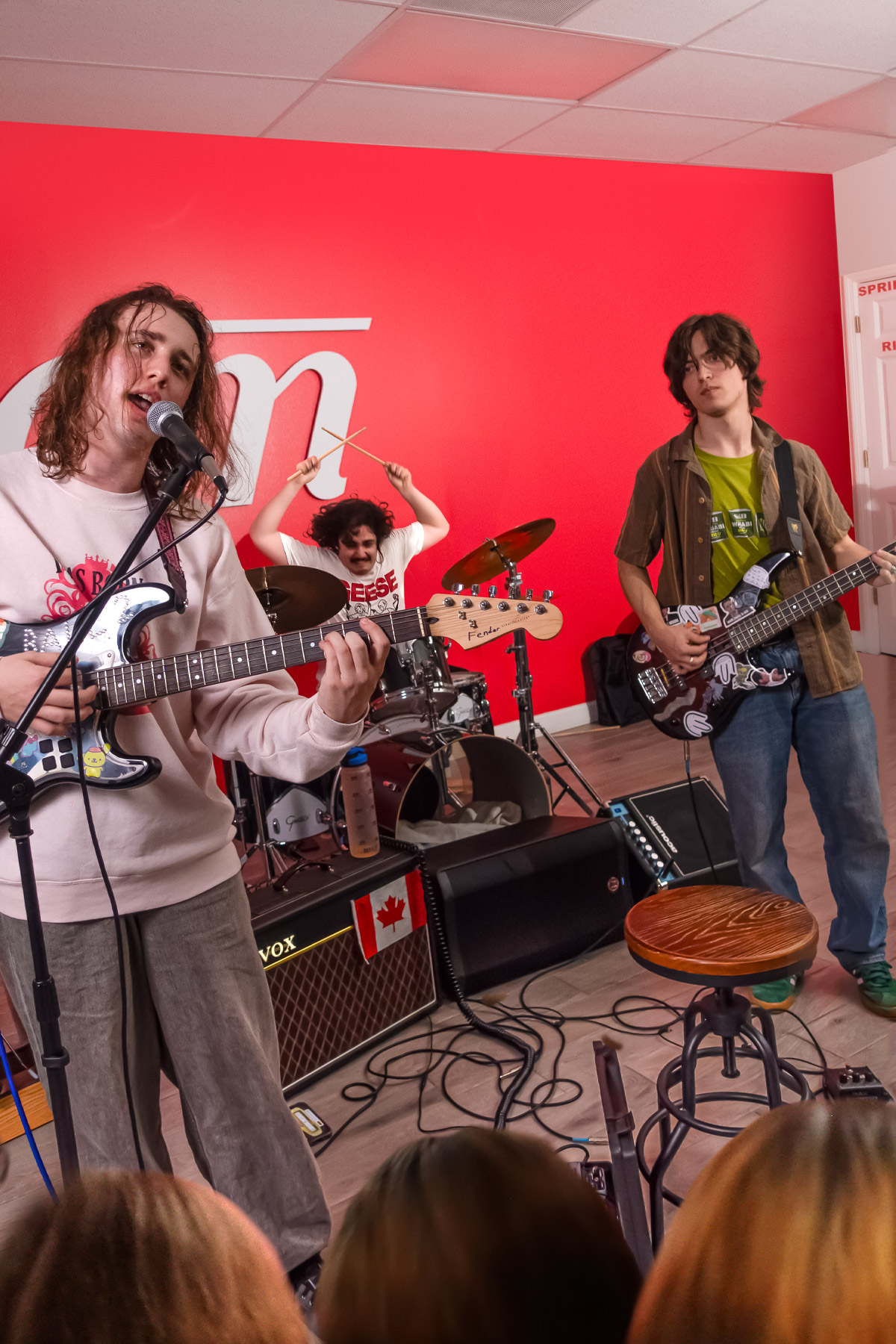
Nineteen-year-old Tyler Gray has been writing and recording songs since he was 15, but don’t mistake that for dabbling. This is obsession-level output. Since graduating from West Orange High School, Gray has barely taken his foot off the gas, releasing a steady stream of music under the name “Manderley.”
Drop the needle on a Manderley track and you’re met with self-interrogating lyrics, propulsive, energetic drumming, and what Tyler cheerfully describes as “guitars that are way too loud.” It’s messy in the best way—charged, human, and allergic to polish. Think diary entries screamed through blown-out amps, then stitched back together with melody and heart.
The kicker? All of it is made from Tyler’s bedroom. The room doubles as a rehearsal space, recording studio, and emotional bunker, complete with a full drum kit and a makeshift vocal booth tucked inside his closet. From that cramped headquarters, Tyler writes every song, records every instrument, and releases every track himself—no label, no professional studio, no permission asked. It’s a fiercely DIY operation, inspired by the scrappy, anything-goes style of Tyler’s favorite bands like Bomb the Music Industry! and Weatherday. Some of his other influences include Car Seat Headrest, Jeff Rosenstock, and the beautifully unhinged world of The Brave Little Abacus.
That lineage makes perfect sense on Manderley’s newest release, “You Come In Seasons and Depart Through Windy Gusts and Blowing Leaves,” a title that reads like a poem you’d find scrawled in the margins of a notebook. The album marks the fourth full-length in the Manderley discography and feels like a snapshot of time finally allowed to breathe. Some of the songs were written more than a year ago, and Tyler says it’s a relief—and a thrill—to finally let the full project out into the world.
“You Come In Seasons…” is out now on all streaming platforms. Turn it up. The guitars are supposed to be too loud.
Manderley
performs live at the Embassy
The Local/Em Agency team enjoys a mini office concert.
the local
market

Lorem ipsum dolor sit amet, consectetur adipiscing elit. Ut elit tellus, luctus nec ullamcorper mattis, pulvinar dapibus leo.
Lorem ipsum dolor sit amet, consectetur adipiscing elit. Ut elit tellus, luctus nec ullamcorper mattis, pulvinar dapibus leo.
Lorem ipsum dolor sit amet, consectetur adipiscing elit. Ut elit tellus, luctus nec ullamcorper mattis, pulvinar dapibus leo.
business
mix
what's new?

Winter Garden
After months of eager waiting, Spoleto Italian Kitchen is finally open downtown! Build-your-own pasta creations let you craft the perfect plate every time.

Twist and shout! Philly Pretzel Factory is rolling into Avamar Crossing, aiming for a March 2026 debut. Pretzels + cheese sauce = instant happiness.

Dishing out Southern-style comfort that warms the soul, CC’s Kitchen is Winter Garden’s new go-to spot for homey vibes and hearty plates.

The 25.6-acre Tucker Ranch Holistic Health farm-and-family activity center at 100 Avalon Road snagged a 2025 American Architecture Award. Functional, beautiful, and award-winning—farm life just got fancy.

South lake
Pups Pub, a full-liquor sports bar slash off-leash dog park is taking over the former Bee’s Auto Repair on Montrose. Clermont’s dogs are about to live their best lives. pupspub.com

Brunch fans, rejoice. Another Broken Egg Cafe officially cracked open at Cross Ridge Exchange Plaza, serving Southern-inspired breakfast, brunch, and lunch.

Quietly serving up a perfect blend of Indian, Asian, and fusion flavors near the movie theater, Tabla is Clermont’s newest stop for authentic, flavor-packed cuisine.

horizon west
Filigree Coffee is stepping out of Home State Brewing and into its own space next door. Same caffeine, same craft beer vibes, with a little more room to stretch. filigreecoffee.com

Special Hearts Farm is planting big plans on 19 acres on Avalon Road: more farmers, more gardens, goat-milk soap-making, and a residential facility. Expansion never looked so good.

Building something worth buzzing about? New concepts, fresh locations, and smart expansions belong here. Send your business updates to heather@emagency.com

pro-spectives
with mike smith
First & Goals
If you’ve ever watched Dr. Phil, you know his favorite line: “So how’s that working for you…?” It’s a reality check—if someone’s problems were solved, they wouldn’t be on stage.
Here’s how it can help with your New Year’s goals: grab a yellow pad and list 25 things you’d like to see happen in the next five years. Be detailed, add timelines if you like. Finish a degree. Take that Italy trip. Lose 25 pounds. Quit smoking. Share your list with someone important in your life—talk it through, have fun, stay away from negativity.
Lou Holtz knows the power of dreaming big. Fired as a football coach, with a newborn and no prospects, he and his wife wrote down 100 life goals. One? Become head coach at Notre Dame and win a National Championship. In 1988, he did it. Now, decades later, he’s working on his second 100 goals.
A pole vaulter once said about breaking the world record: “I threw my heart over the bar, and my body followed.” That’s the point. Fill your yellow pad with heartfelt goals, share them, and watch what happens!
Mike is a sales coach and consultant who helps individuals and organizations clarify their goals, sharpen their focus, and turn intention into action.
author
mix

Engine Check
Michael Wisdom’s savvy guide to running your most important machine: you.
- Heather Lee
- Fred Lopez
We obsess over iPhone manuals, read Tesla guides cover to cover, and can probably assemble IKEA furniture blindfolded—but when it comes to the most complicated, temperamental machine we own—our bodies—we just…hope for the best. Enter Michael Wisdom, who has spent a lifetime convincing humans to treat themselves like high-performance vehicles instead of old station wagons held together with duct tape and regret.
Michael started young—age six, Olympic-style weightlifting in rural Kansas, because apparently, childhood sports weren’t challenging enough if they didn’t involve dropping a barbell on your toes. Since then, he’s trained everyone from elite athletes to executives who thought “cardio” was a new email app. Over decades, he realized we all desperately need the same thing: a manual for our own biology.
Hence: The Human Body User Manual. Written like a savvy operator’s handbook, it explains bones as the frame, muscles as the engine, nerves as wiring, the heart as the power supply, hormones as software—and yes, your symptoms are basically warning lights screaming at you in Morse code. Michael’s genius is making it digestible, actionable, and occasionally funny: think tracking energy, sleep, or how your joints feel like they’ve been negotiating a hostage crisis, then giving advice you can actually use.
Now in Windermere, Michael blends Midwestern grit with Chicago smarts, coaching everyone from two-year-old prodigies to exhausted executives. His philosophy? Treat your body like a machine, pay attention to the dashboard, and for heaven’s sake, laugh at yourself once in a while.
the local
market
Lorem ipsum dolor sit amet, consectetur adipiscing elit. Ut elit tellus, luctus nec ullamcorper mattis, pulvinar dapibus leo.
Lorem ipsum dolor sit amet, consectetur adipiscing elit. Ut elit tellus, luctus nec ullamcorper mattis, pulvinar dapibus leo.
Lorem ipsum dolor sit amet, consectetur adipiscing elit. Ut elit tellus, luctus nec ullamcorper mattis, pulvinar dapibus leo.
history
mix
The Edge of Time
Nearly a century of ambition, abandonment, and revival leads the Edgewater Hotel into its next era.
- kristi karst gomen
- Fred Lopez
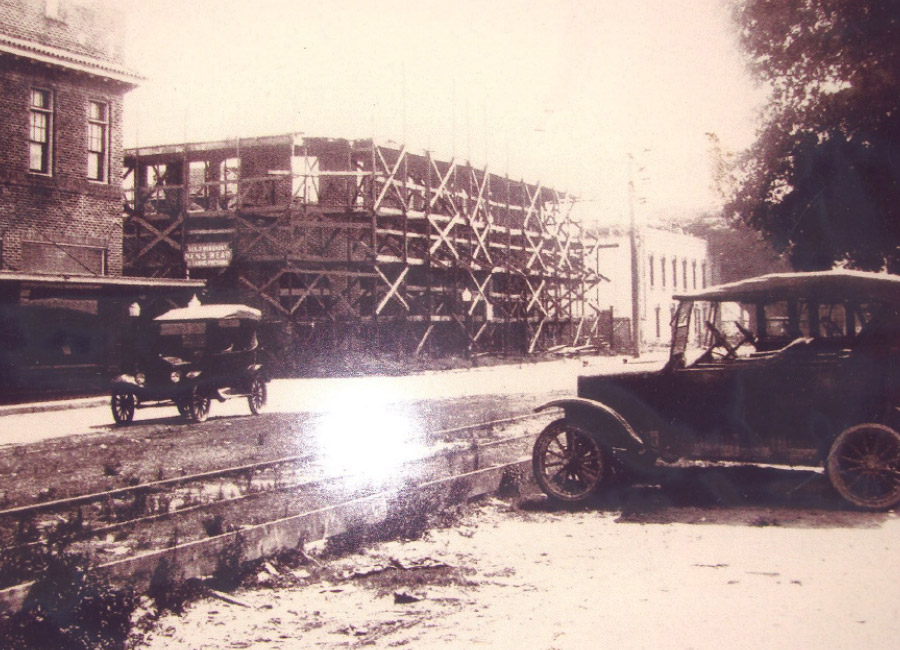
The Historic Edgewater Hotel—one of downtown Plant Street’s most recognizable landmarks—has officially entered its next era. The nearly century-old property changed hands on August 25, selling for a reported $10.3 million to Legacy Edgewater LLC, an entity tied to Jim Larweth, founder of AntonRx. The sale marks a significant new chapter for a building that has been shaping the story of Winter Garden since long before Plant Street became the vibrant hub it is today.
Beginnings Built on Grit
The Edgewater’s legacy started with ambition—and a setback. Construction began in 1924 on what was meant to be a grand, four-story hotel. But when the Florida Land Bust hit, the project stalled with only the first floor completed. Its future looked uncertain until local real estate agent Jerry Chicone Sr. rallied new investors and revived the plan. Scaled to three stories, the Edgewater opened its doors in 1927, immediately becoming a magnet for the era’s elite tourists and the fishermen drawn to Lake Apopka.
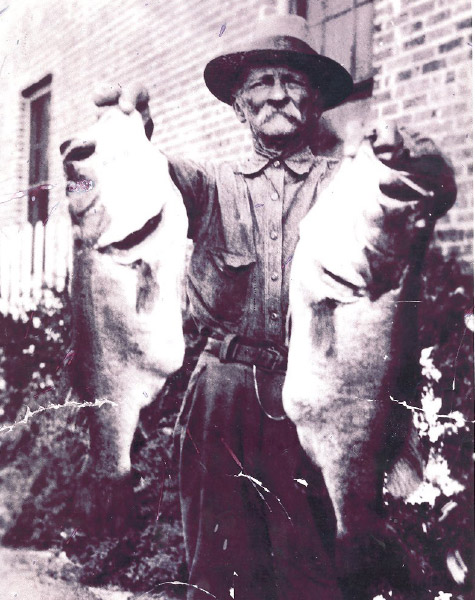
The hotel became famous for its thoughtful touches: built-in sinks for guests to clean their catch and a cook who would turn their fresh fish into dinner. With a working Otis elevator and an early fire sprinkler system, it stood as a technological marvel for its time—proof of what vision and community determination could build.
From Abandonment to Revival
By the late 1960s, the Edgewater’s glow had faded. The doors closed, the lobby went quiet, and the once-grand structure became known as the “ghost of Plant Street”—beautiful but forgotten. That is, until the Winter Garden Heritage Foundation stepped in during the late 1990s, determined to save the building before history was lost for good.
Inspired by Chicone Sr.’s commitment decades earlier, preservationists, investors, and community leaders—including his son, Jerry Chicone Jr., several downtown merchants, and Community Redevelopment leader Paul Lewis—mounted an ambitious eight-year restoration. Their efforts brought the Edgewater back to life in the early 2000s, glowing once again with polished wood floors, 1920s chandeliers, and the hum of its original Otis elevator.
Honoring the Past, Looking to the Future
As the Edgewater turns another page under new ownership, its long history of resilience remains its true hallmark. And through every chapter, one thread holds steady: the vision and dedication of the Chicone family, whose love for Winter Garden helped ensure that this landmark didn’t just survive—but continues to inspire.

Machiavelli
Alaskan Malamute, 7
- Fred Lopez
I’m Mac, Amanda Skutinsky’s medical alert service dog, and yes—I take my job very seriously. My superpower? Smelling anaphylaxis before it even starts, giving Amanda precious minutes to take her medication and stay safe. I nudge her hand, and suddenly the chaos of MCAS doesn’t feel so overwhelming. I’m everywhere she goes—classrooms, airports, grocery stores—quietly watching, waiting, ready to act. I lie under desks like a furry sentry, or stand guard beside her when the world feels unpredictable.
But I’m not all work. When my shifts are over, I chase balls, dive into the pool, steal couch space, and happily accept pup cups as payment. Loyal like Aragorn, gentle like Aslan, playful like…well, me. Courage, dear heart, is my motto—and keeping Amanda safe is my mission. It’s a serious job, but someone has to do it, and I do it with style.
impactful
mix
Balance of Power
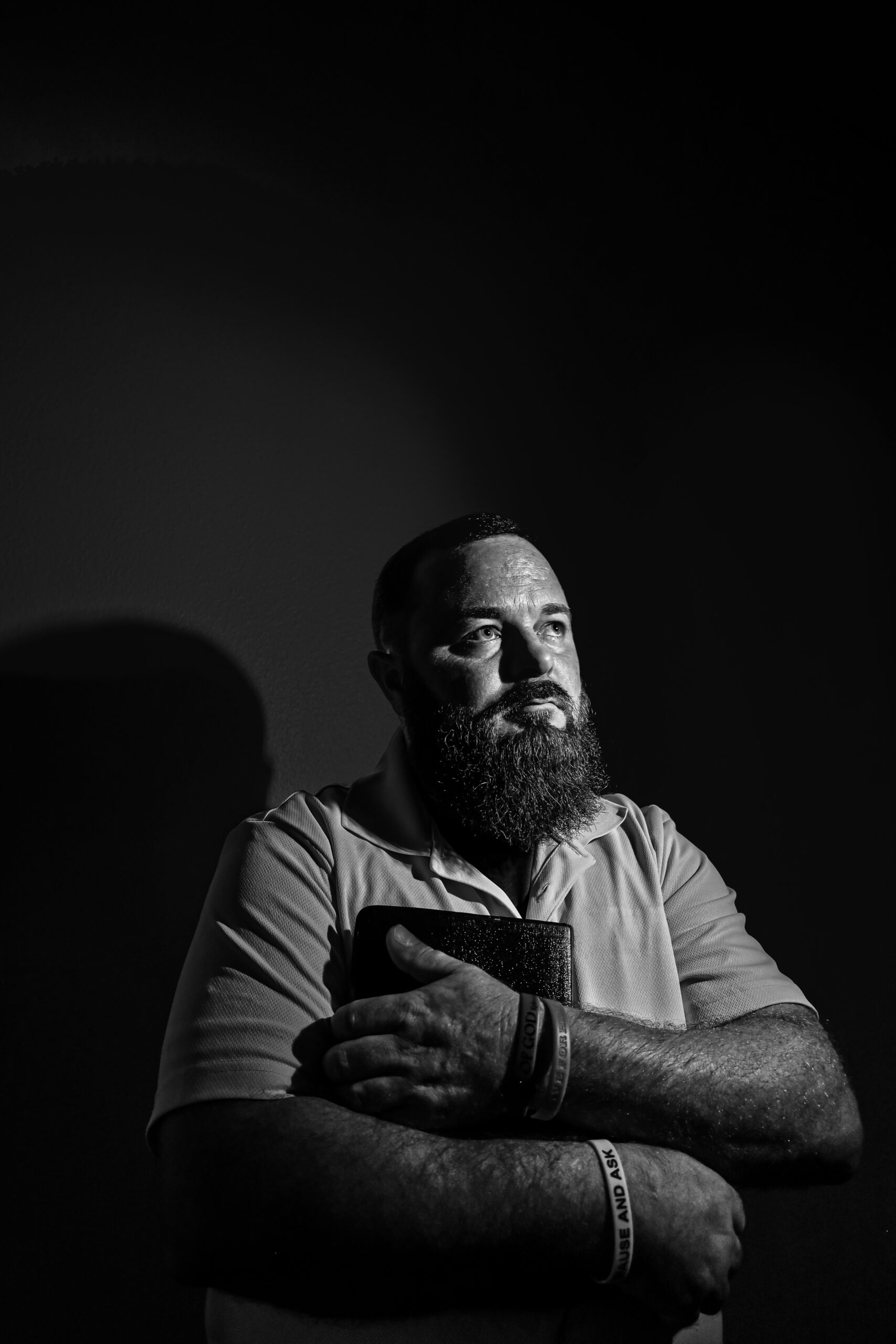
How Billy Harper turned wreckage into light.
- heather anne lee
- Fred Lopez
There’s a moment in Billy Harper’s story where you can almost hear the bottom dropping out. He’s standing in his own wreckage—the hurt he’s caused his parents, the lies to girlfriends, the thousands of dollars he’s stolen or wasted, the nights spent high and scrambling for another fix. He calls himself “an addict” without blinking. Heroin, he says. Crack. Alcohol. Theft.
“I probably spent a million dollars of my dad’s money on drugs,” he admits. His dad didn’t argue. He just said, “It’s more than that.”
This is the bleakest kind of inventory, the kind that strips a man bare. Billy doesn’t embellish, and he doesn’t seem ashamed to tell it, either. That’s part of sobriety: no more clinging to the old story, just the truth.
And Billy’s truth is brutal. He once stole electrical panels from Home Depot just to resell them for a quick hit. He overdosed and smashed his F-350 into a school bus. Dealers dragged him behind dumpsters when the dope went sideways. He detoxed in his parents’ shed while they slipped Suboxone under the door like communion bread. He loved heroin with that loathing hunger addicts talk about—the kind of love that empties you out and still demands more.
By all accounts, he should be dead.
But he isn’t.
Four and a half years ago, Billy got sober. Not with a single lightning-bolt moment, but through a slow, grinding collapse that finally left him with nothing left to protect.
Billy grew up like a lot of Florida boys—motocross tracks, small towns, a family rooted in the trades. He raced dirt bikes hard, carried the weight of sponsors and expectations, and worked jobs alongside his father, an electrician. Even then, he was restless. Always chasing the next thing.
In 2005, he quit mid-shift on a ladder in Groveland. Hurricane Katrina had just hit, and he sensed opportunity. With $10,000 from his grandmother, he bought a truck and started a tree service with his cousin. By 20, he had equipment, billboards, and money coming in fast.
Then the housing market collapsed. Tree work dried up. His knees ached from motocross wrecks, and doctors handed him Percocet and Dilaudid. Pills turned into buying prescriptions from friends. Then snorting Roxy Blues until his nose burned. Cocaine followed. Then heroin.
He remembers the first needle clearly.
“Holy crap, that is good,” he thought. “Life-changing good.”
He says it without drama now, almost conversationally. That’s the danger of heroin—it convinces you it’s giving you something, even as it takes everything.
He overdosed twice at his dealer’s house. Both times, they dragged him behind a dumpster and left him there. Still breathing. Still using.
Bottom wasn’t one catastrophic moment. It was a thousand quiet humiliations. For Billy, it finally arrived in 2021, in the stillness of his own living room.
He was sitting on the couch in his boxers, crying. Pixie, his yellow Lab, pressed against his legs and looked up at him with eyes so steady and kind he swears she spoke without words: I love you. Go get help.
And this time, he listened.
It wasn’t Billy’s first time in rehab, but it was the first time he walked in without a backup plan.
Detox was brutal. Billy doesn’t soften it. He soiled himself in a meeting. Lay on a shower floor unable to move. He sweated, puked, and shook for days.
“I felt something inside me break,” Billy says. “Broken to be repaired. Surrendered.”
Early sobriety was relentless. He went to three or four recovery meetings a day. He stayed for the parking lot conversations, where people who looked like him said survival was possible.
He sat in his truck most mornings listening to Christian radio, tears running down his face, asking God for help. Sleep didn’t come easily. Restless legs drove him into five or six showers a night. He paced the porch, eaten alive by mosquitoes, whispering prayers he didn’t yet fully believe.
Two weeks into sobriety, when his partner, Rebecca Starling Holt, landed in the hospital, Billy sat in the waiting room fighting the urge to disappear. He thought about leaving. About using. About how no one would know.
Then another thought arrived: I would know.
That was enough.
Grace, for Billy, came quietly. In Pixie’s presence. In a sponsor who always seemed to quote the right verse at the right moment. In small jobs that kept his hands busy. In nights that somehow ended without relapse.
It wasn’t fast. It wasn’t clean. But he kept choosing not to go back.
Today, Billy talks less about what he escaped and more about what he protects. He’s careful about the energy he carries, the tone he sets, the way he shows up. He knows how quickly darkness spreads. He lived that way for years.
“I don’t want to leave people worse than I found them,” he says. “I did enough of that.”
He talks about the future with humility, aware of how thin the line was between living and dying. He knows hope because he once lived without it.
If grace can show up in a dog’s steady gaze, in a hospital waiting room, in a night that doesn’t end the way it used to—then maybe it can keep showing up.
Billy believes it will.
And for a man who once expected not to survive himself, belief is everything.
the local
market
Lorem ipsum dolor sit amet, consectetur adipiscing elit. Ut elit tellus, luctus nec ullamcorper mattis, pulvinar dapibus leo.