

Promotional Feature
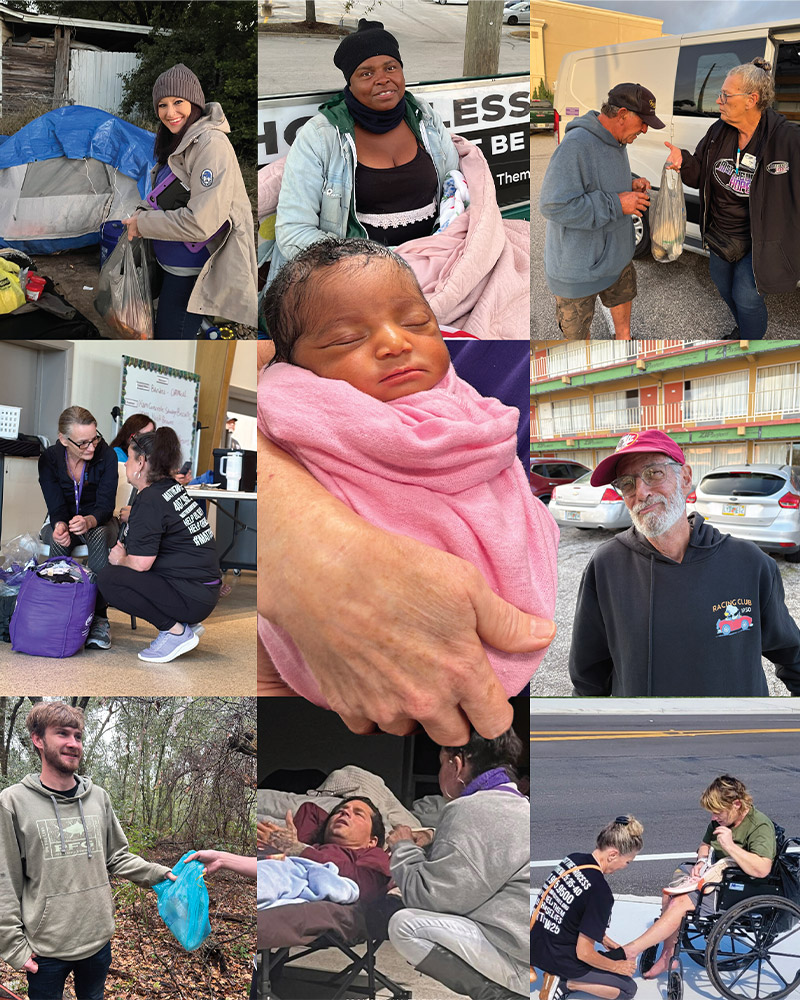
What Do the
Homeless Look Like?
From shelter and food to safety and health, the often unseen challenges that define life without a place to call home.
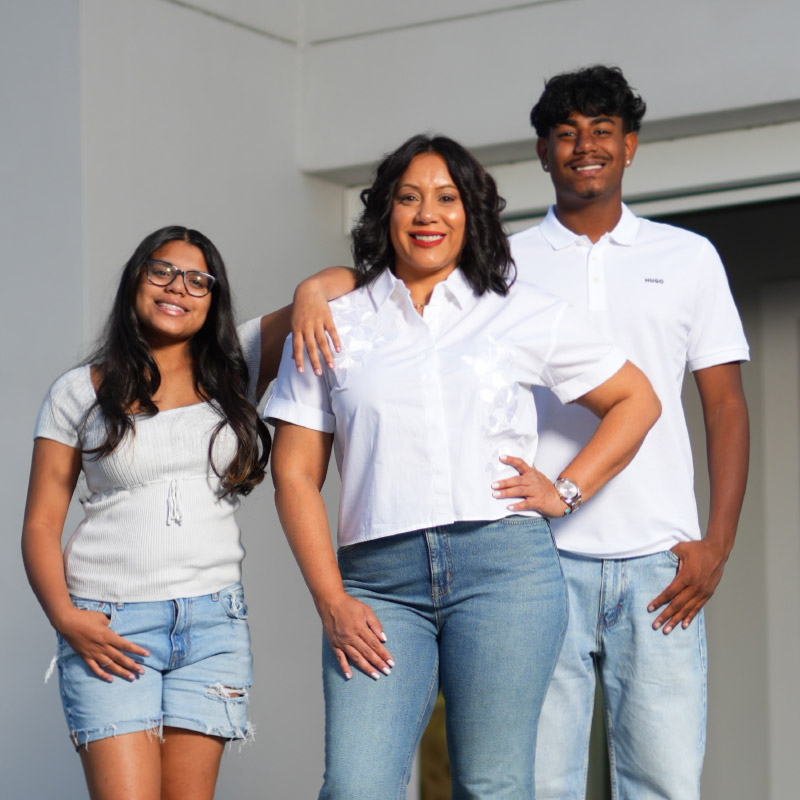
Shelley Bradford, President and Executive Director of Matthew’s Hope Ministries, has always felt a deep affinity for people experiencing homelessness.
“They’re only made different from us through circumstance,” she says. “I had a dear uncle who was homeless, and I was heartbroken when he left us. We need to understand homelessness better before we can solve it. Do you know the fastest-growing segment descending into homelessness? Baby Boomers. Husbands get laid off or pass away. The income stops, and they have no idea what to do.”
People sometimes confuse homelessness with poverty. They are not the same. People living in poverty have homes and can work within a system. Homelessness is different in many ways.
Shelter-Wise
People experiencing homelessness live wherever they can, and it’s getting
harder. Homeless camps are becoming scarcer as government crackdowns increase. In many places, sleeping outside, whether in a tent or a car, is illegal. Shelters are limited, difficult to qualify for, and often expensive.
“Matthew’s Hope is not a shelter,” Shelley explains. “But we do our best to help people find resources.”
Food-Wise
Yes, there are food pantries. Central Florida has several strong ones. But how do you cook the food? Where do you store it without a safe home or refrigeration? How do you get to the pantry and carry everything away—on foot?
Safety-Wise
People experiencing homelessness often fall victim to predators. Their vulnerability is constant. Their possessions and money are always with them, which means they are robbed frequently.
Health-Wise
It is incredibly difficult to stay on top of your health when you are homeless. If you get hurt or sick, where do you go? How do you manage medications?
“Matthew’s Hope conducts intake for those who can get to us,” Shelley says. “In our health clinic, we prioritize the chronically ill first and do what we can to help. We’ve worked with people recovering from surgery and others battling liver and kidney disease.”